NOVEMBER AND DECEMBER

LOSING AND GAINING ONE’S SELF

November 1

Over the past few weeks I’ve worked phone banks for the Democratic Party speaking to folks in Ohio, New Jersey, and Pennsylvania. Often I only reach an answering machine. Sometimes, people hang up on me. One person wanted to help me find God. And sometimes, I get to share our mutual concern over the state of the world. Tonight, I phoned someone with a Greek last name. When she answered the phone, I said Kali Spera or Good Evening in Greek. She responded by asking me Ti Kaneis or how are you? After she learned my grandfather had been born in a small village north of Delphi, she told me that although she was 90 years old, she had already voted using a mail-in ballot. Poli Kala. Very good and very rewarding.

November 5

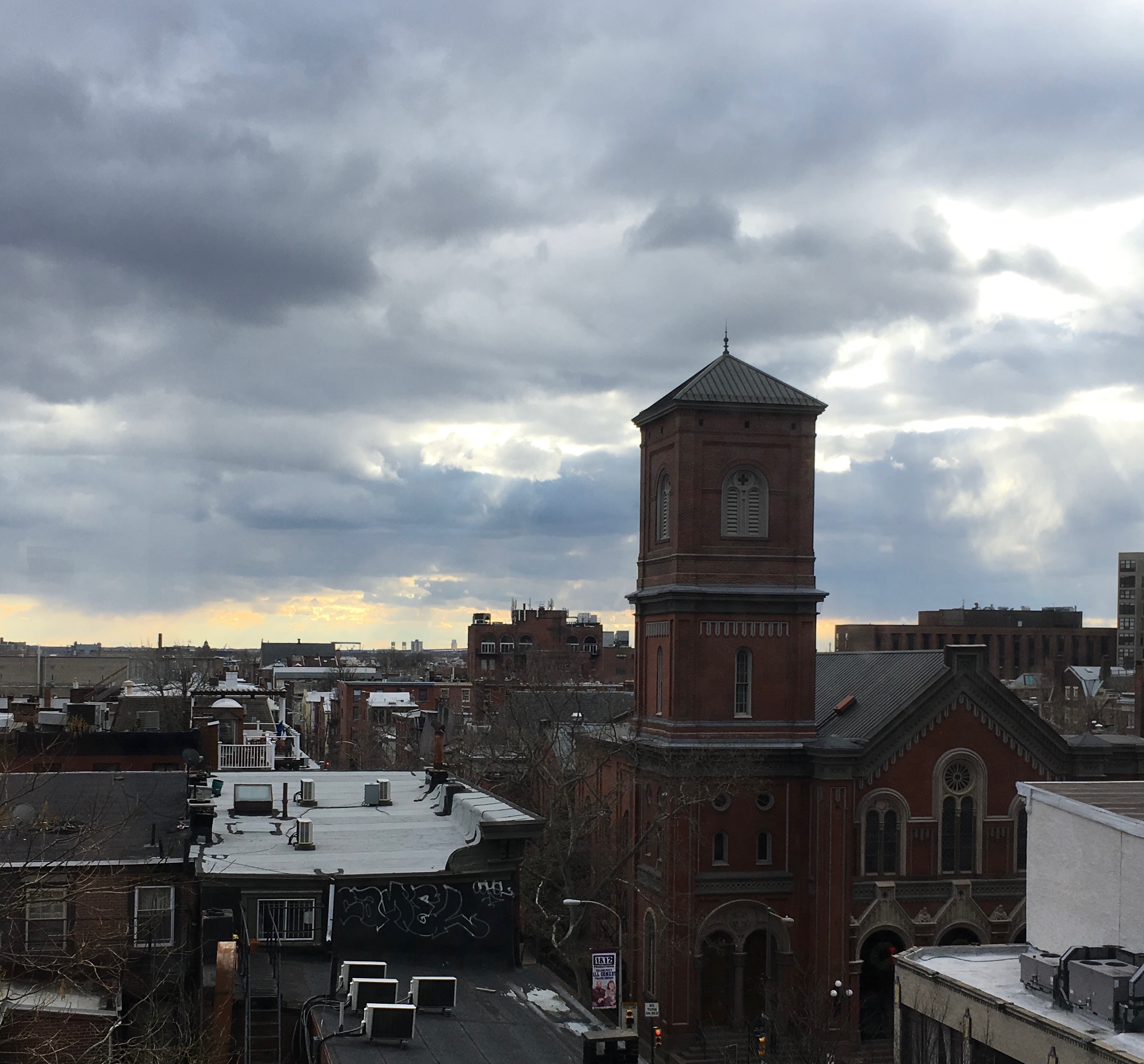
On a walk to the Farmer’s Market, the autumn light retrieved a sense memory. When I was in the 6th grade the school bus dropped me off around 4. Once home, I was confronted by floor to ceiling windows flooding the living room with hot afternoon sunlight, suffocating me. I wanted to escape the house or was it the family?

From the short story “It’s How You Play” in my collection Jersey Dreams.

The summer before, I had accompanied my mother, with my brother and sister in tow, to the lake.  This thirteenth summer I went on my own, picking up friends along the way or joining them in the des­ignated spot to the left of the beach, where anyone from thirteen to sixteen was welcome.  We spread our blankets in the direction of the sun, hiding our lunch in the shadow of a beach bag, and waited.  We waited for the older kids, mostly boys to show up; we waited for the lake to warm; we waited for mothers and younger children to go home.

Unknown

Now my family wants to escape me. My younger sister and her husband wouldn’t visit on my terms: backyard, social distancing, masks. Puts me in my place. But what place?

November 7

Finally, Joe Biden declared President. Hope, Relief, Black Cloud lifted, temporarily.

November 9

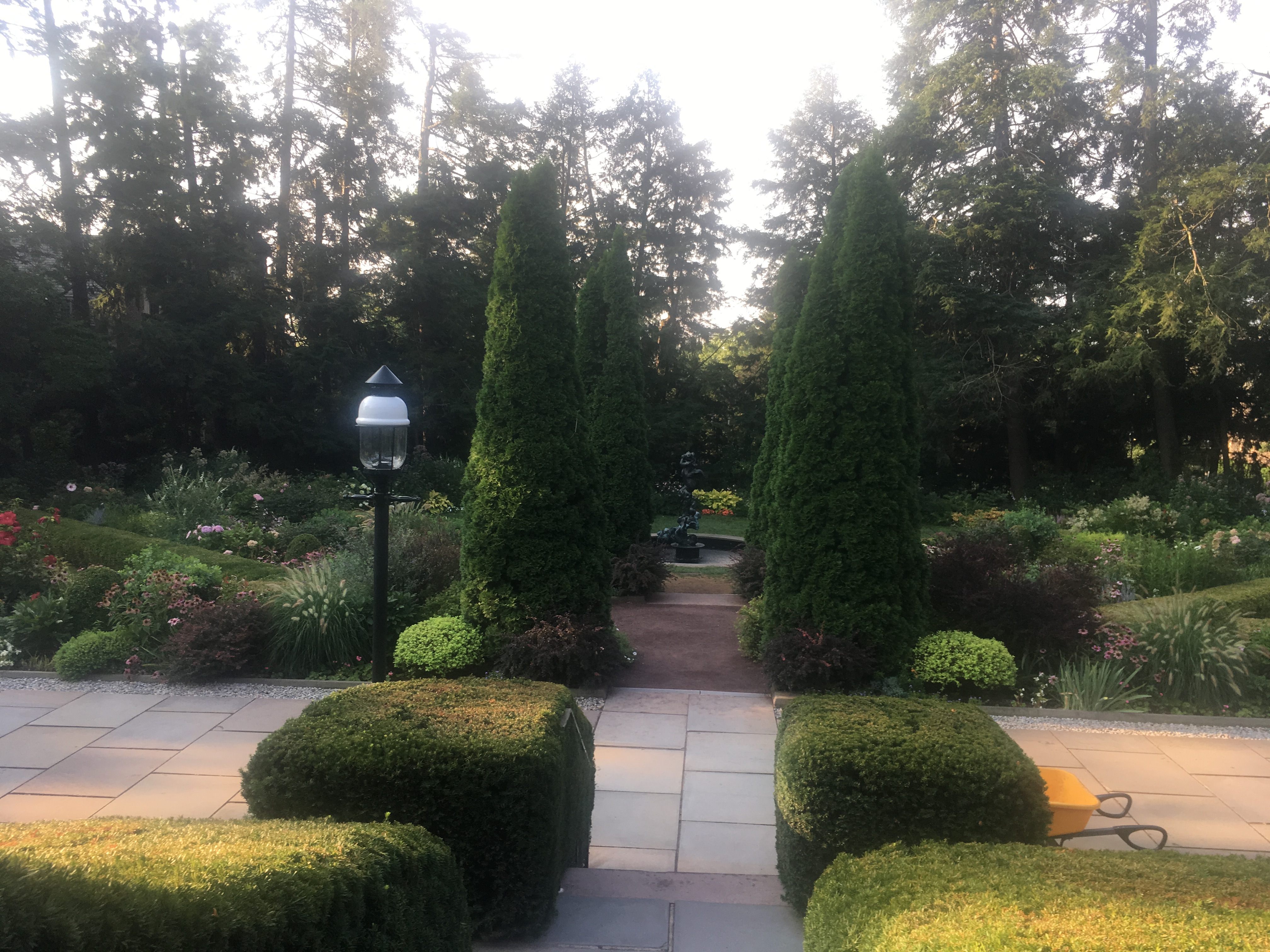
Drifting again, playing too many computer games. An antidote- a walk through the university gardens. My friend and I stopped at Small World, a popular coffee shop. Even with masks and social distancing, the day felt almost normal. Back by noon with plenty of time to do “stuff.” No success.
IMG_4425 2
Prospect Gardens, Princeton University

November 20

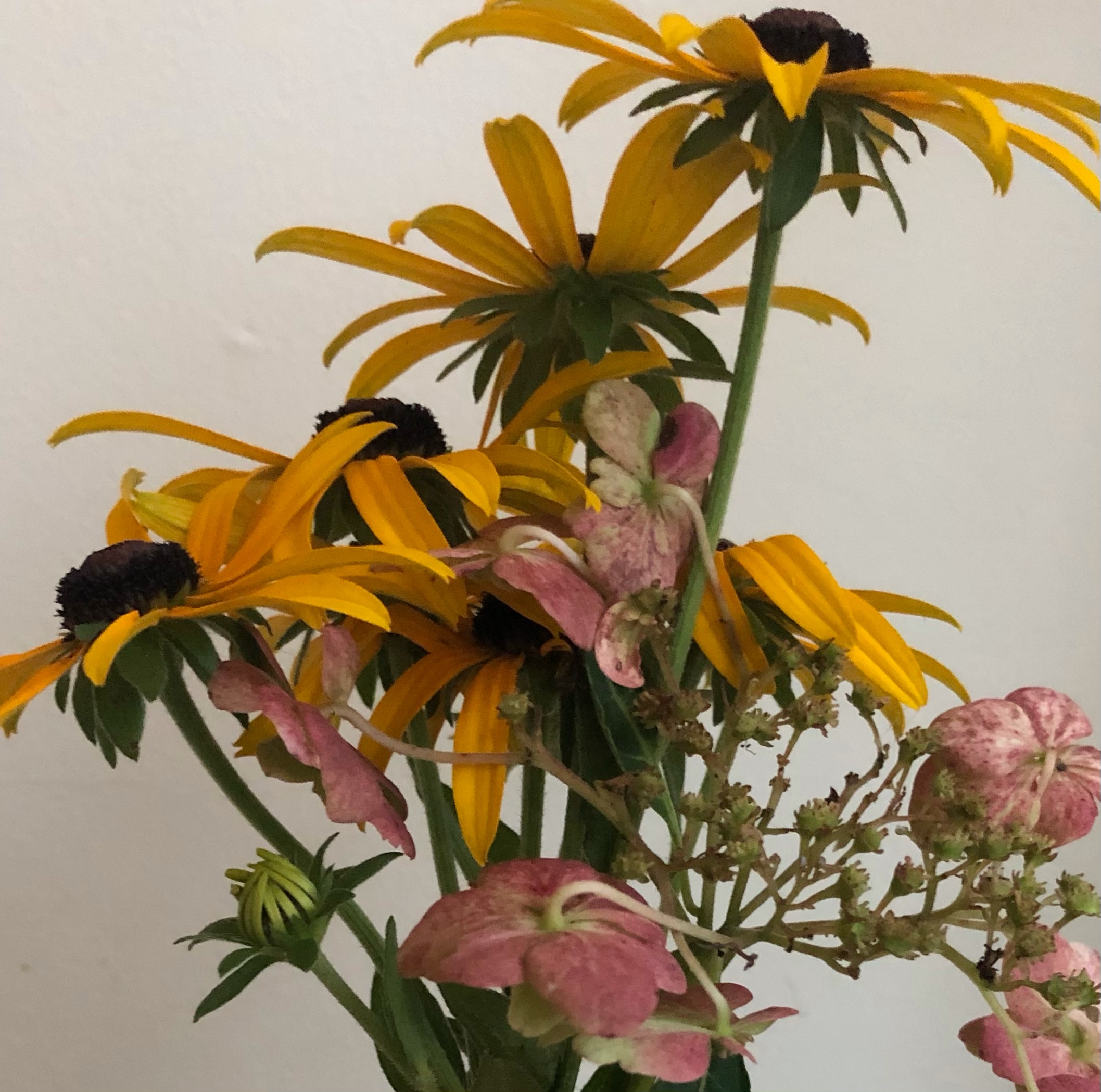
This afternoon, I attacked my nemesis, Rudebkia during a three hour stint in the garden. Another sense memory, my old gardening self. I could feel her: I was her. The welcoming warmth of the house after a day working in the cold. It reminded me of Svetlana Alexievich’s The Unwomanly Face of War: An Oral History of Women in World War II. She describes herself as an historian of the soul. The women she interviewed said that when they relived their war time experiences, they could see themselves clearly above from the heavens and below from the ground. The sense of self drifts in and out but isn’t entirely lost.
IMG_8069

November 21

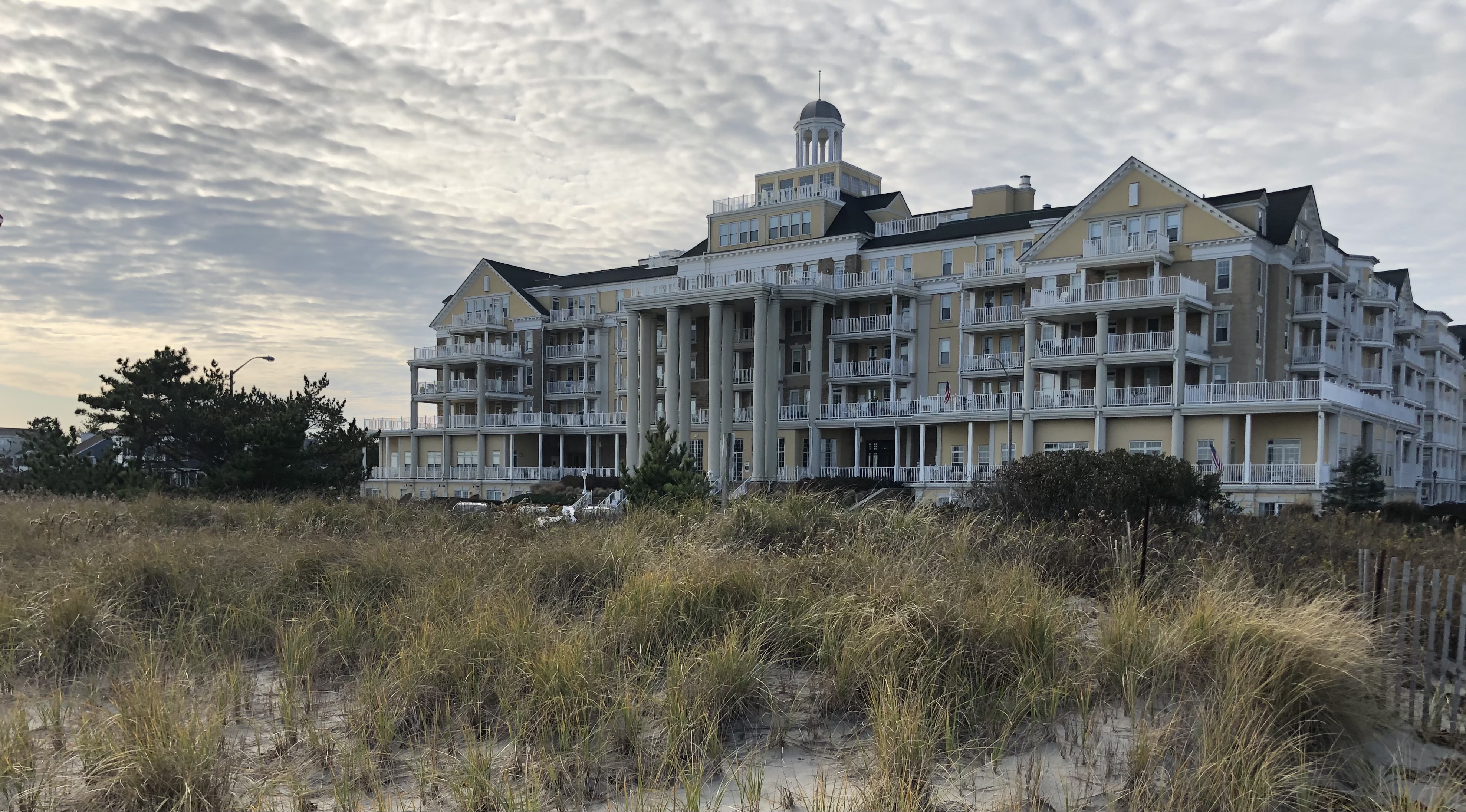
In another attempt at getting back parts of my old self, I decided to take a ride down the shore to Spring Lake once knows as the Irish Riviera. (See my Washington Post article “Spring Lake, Splendor on the Shore.”) In the 1940’s my parents danced to big bands at the once grand Essex and Sussex Hotel now converted to condominiums. When I was single, I would spend the day on the beach, don a coverup, wear a large sun hat, and retreat to the Warren Hotel (now torn down) order a martini at the bar and for an hour gaze at the grass covered dunes and the sea. My daughter and I spent many a happy hour perusing the Spring Lake Variety Store, a traditional 5 and 10. I often took my elderly mother to lunch at the Breakers Hotel after which we sat on the boardwalk and people watched as she called it. Once my husband and I saw an elderly couple walking past Saint Catherine’s Catholic Church holding hands: we hoped we would do the same as we aged. This brief visit seems familiar and strange.
IMG_8349
 Essex and Sussex House  Spring Lake,  New Jersey

November 28

Thanksgiving, fewer members of the family present. Nevertheless, shared stories, jokes, gratitude and remorse.

DECEMBER

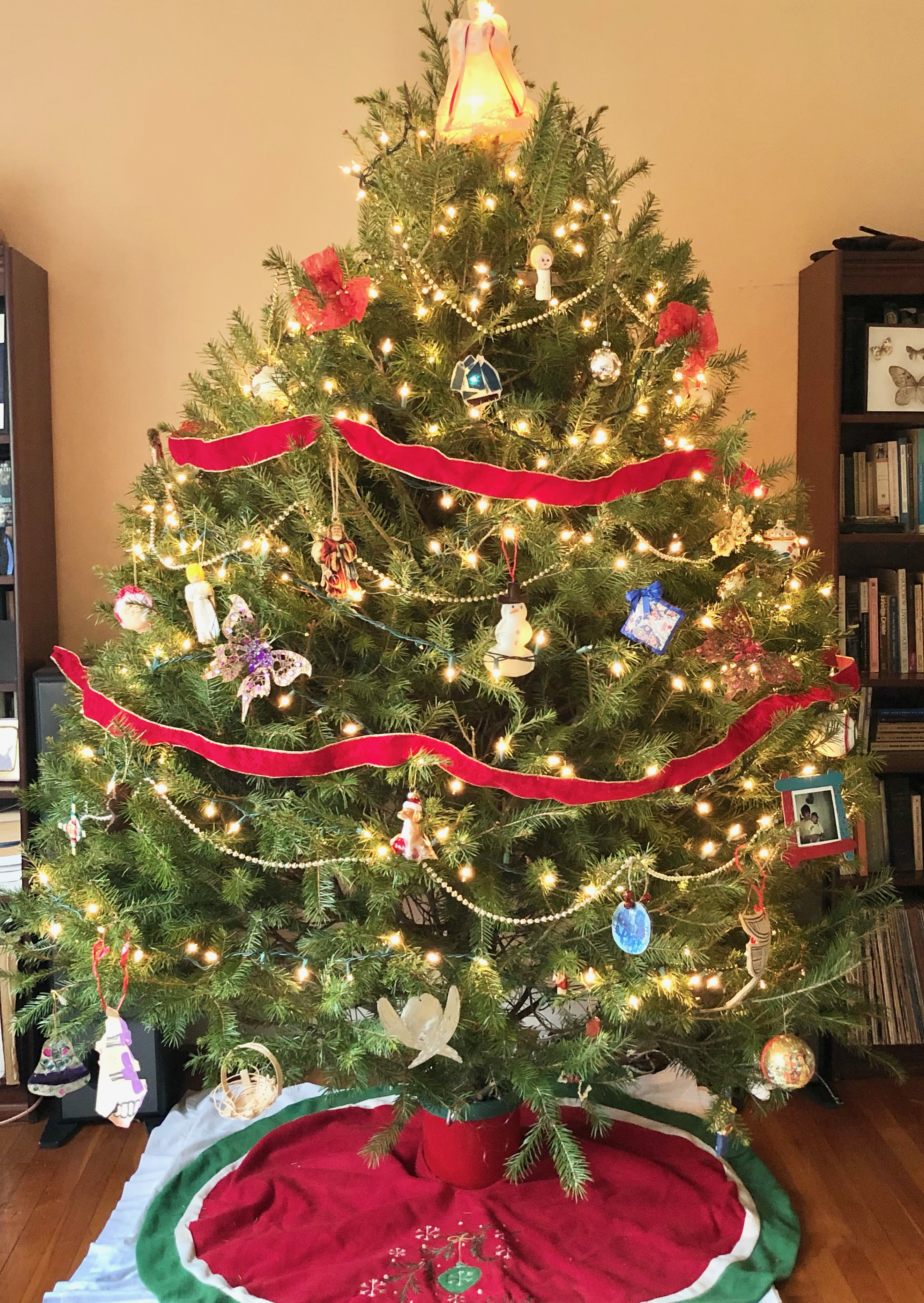
Most years, my children and their spouses celebrate Christmas at my house. A few weeks before Christmas day, we pick out the tree, decorate it, argue over the number of lights needed, and reminisce as we hang the handmade ornaments. When I realize I’ve forgotten to string popcorn and cranberries, I’m told nobody cares. A bossy crowd. This year, my daughter and her family couldn’t make it. They were deep into preparations for moving to another state. Then, my son and his wife couldn’t come because they’d been in contact with too many people: I was uncomfortable seeing them- that old Corona Virus interference.

Wednesday-Bah Humbug. Screw Christmas. It’s canceled at my house!

Friday- Goddamn it. I’ll do it myself! I went to my favorite tree farm. Not one left. I drove around in a panic and finally, managed to get the last one in town as well as the last pine garland.

It was a brute of a tree, 7 feet tall and almost as wide. I had to get it out of the car and into the house. I huffed and I puffed and I blew the tree in. Getting it up, just as troublesome. I wrestled with it and won. Now I could put on as many lights as I wanted without commentary.

Next lights, garland, and ribbons around the outside porch, surely the easiest task of the day. I hadn’t accounted for the length of the garland or the difficulty hanging it. Unwieldy. Seeing me covered in pine boughs and lights, neighbors walking by rescued me. The husband and daughter took over, thank God, fully masked and socially distanced. We celebrated with a Christmas toast as the sun set. The heart was warmed. The self regained.
IMG_8446-1

October

I continue my morning routine: feed Milo, my 19 year old cat, empty the litter box, pet Milo for an hour, guide him to his bed, then a 3 mile walk, and breakfast with the paper. Some days I meander around the house doing chores broken up by any distraction that passes my way. The New York Review of Books on the dining room table captures my attention on the way to vacuum the sunroom. Twenty games of solitaire call to me as I drift by my desk covered with papers that need filing, something I’ve neglected since March. Old photos discovered in a folder occupy me as I move to sort out a bookcase.

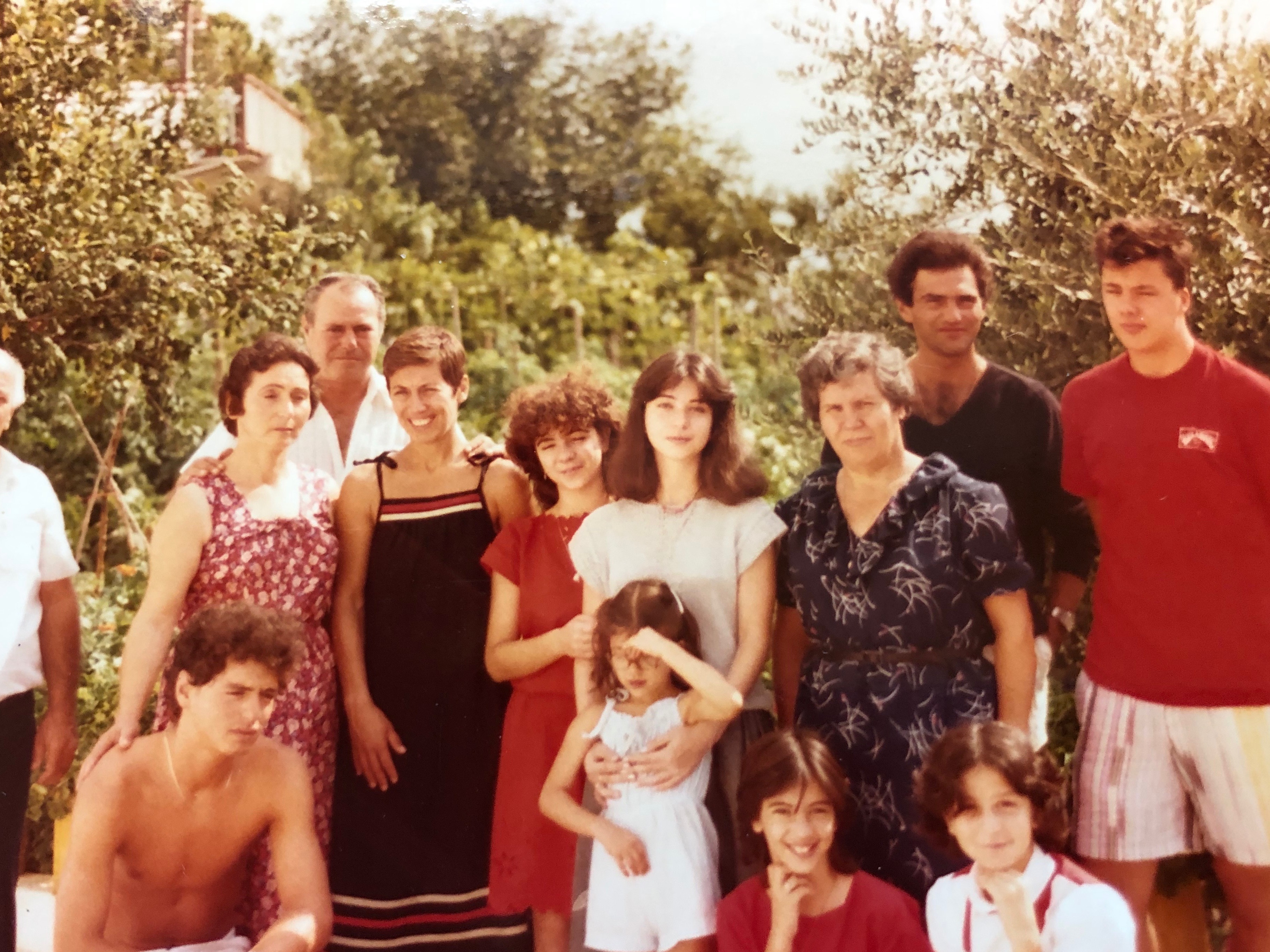
IMG_8137My Greek Family in my grandfather’s village, Kastellia, north of Delphi

Late afternoon Milo time. Is it cocktail hour yet?

This month Milo bravely faced new obstacles. He is blind but could still navigate the house. On occasion he missed the litter box but not by much. He just wasn’t fast enough. Then he developed a neurological disorder which caused his eyeballs to shuttle back and forth. I assured myself that having him close and whispering sweet nothings in his ear would help his brain relax and his eyes would stop their mad movements. He never complains, not like me.

Sigrid Nunez’s novel The Friend sometimes a mediation on writing, on being a writer, and on teaching writing, ends with the last days of her dying dog. He became the true friend, providing an audience for her musings, her novel, giving unconditional love and support. Cats do have conditions yet Milo is accommodating and loving even as he suffers.

images

One social day in the middle of the month, I spoke to friends in Ireland, Oregon, and North Carolina, then, drifted outside to plant 60 pansies as the summer flowers fade. My nemesis, Rudbeckia or Black Eyed Susans, have decided my yard is their yard and screw every other plant. I pull and pull trying to protect my 30 year old Irises and Poppies. Sometimes I delude myself that I’m winning. That night as I lay in bed with the windows open, I heard a fox howling. Eerie.

On the 27th, I had a doctor’s appointment on the Upper East Side.  It’s been 10 months since I drove to Manhattan.  The drive was fraught with fear.  A generalized COVID-19 anxiety?  I had to park in an indoor lot.  Am I safe?  I was back in my car in an hour but saddened not to enjoy New York as I usually do: no walk across town, no visit to the Morgan Library, no late lunch.  But the city didn’t disappoint.  Driving down Third Avenue, the sky a pearly grey, the Chrysler building on my left.  Restored.

IMG_9598A Pearly Sky on the Upper East Side

IMG_8695The Chrysler Building

That evening, Milo’s head started twitching back-and-forth, back-and-forth. Nothing comforted him. When he walked, his head twisted to one side: still, he’s eating, drinking, and going to the bathroom. The next morning, I found him wandering in circles, his head cocked laterally, unable to eat or drink. He must be frightened, in pain. The vet and I agree this is no way to live. It’s time. We spent the afternoon cuddled together watching the 1945 film, The Enchanted Cottage.

IMG_8241-1Milo’s last day

My first day without Milo, an empty house. I enter a room expecting to see him. A terrible loss at a terrible time.

May

May 1-14

One way of holding on to Paris and create some type of routine was to take a French conversation class. Each week, I nervously joined the zoom meeting. Each week, I vowed to drop out. Since the microphone in my computer isn’t very good, sometimes, I couldn’t hear what was said and, probably more telling, I wasn’t up to the class’ level of French. I’ve taken several immersion classes in France, I was once fluent in my 20’s, yet I can’t seem to get it back. Partly, it’s performance anxiety. One summer during an immersion class at the University of Marseille, I couldn’t speak for a week. Blocked. So I said “Avoir” to the zoom class, felt immediate relief, and went back to my habit of listening to Pimsleur’s French CDs in my car.

I’m not the only one struggling with growth: my garden’s not faring well either. My three treasured hydrangeas took a hit during a recent storm, and the butternut squash hasn’t shown itself. Although my French isn’t doing well, my French radishes are flourishing. Ils sont delicieux.

images-1

May 14-21

Plants and Animals.

Morven, an 18th century building once home to New Jersey’s governors’ and a signer of the constitution, is now a museum with public gardens. Each year my daughter and I attend it’s plant sale held around Mother’s Day. This year, I did curbside pickup- alone. Although the virus has robbed us of these small pleasures, I looked forward to growing heirloom tomato plants, butterfly weed, and veronica.

Unknown-3  Unknown-4

Asclepias Tuberosa, Butterfly Weed               Speedwell, Veronica

Later that afternoon, after planting my bounty, I rolled my wheelbarrow full of weeds to the back garden.  In the northwest corner, a fox rested near the magnolia tree.  I assured him he was welcome as I backed my way out to the front yard.  He sunned himself for another half hour.

IMG_7824

Sometimes, it occurs to me that I don’t have a life. What does it mean to do a little gardening, to talk to a fox, watch a female cardinal battle with robins for time in the bird bath? What does it mean that playing solitaire for hours soothes me? How much television can one person watch? What am I doing? Then, all my privilege smacks me up side my head. I have food, wildlife guests, friends, a garden. Maybe isolation feeds this discontent. And yet I harbor a dream of living on an island, alone.

In her memoir, 50 Days of Solitude, Doris Grumbach describes a self imposed winter isolation in Maine, but she had regular contact with the “butcher, the baker, the candlestick maker.” That might do it for me. Now there’s no time for chit chat at the market or pharmacy. To be safe, it’s a quick in and out.

Before the world closed down, my library was a constant source of pleasure. I first visited one with my friend Karen. Instead of going home after our kindergarten class, we decided to travel to Elmwood Library just a block away. It was the start of a long love affair. Sitting in a library browsing through books delights me, gives me peace. My mother often chided me for always having “my nose in a book” forcing me to leave those worlds behind to play outside. Now I can enter a book but not it’s home.

Unknown-1

Elmwood Library, East Orange New Jersey

May 22-31

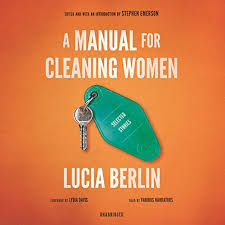
A friend sent me Lucia Berlins’ A Manual For Cleaning Women. He wasn’t sure if he liked them or not, if she was brilliant or not. I had difficulty with the short stories and didn’t know why. I felt bombarded by the “I.” Then I read “Point of View” and loved it: she put distance between me and the protagonist using an “impartial voice,” the third person.  Suddenly I was at ease and could enter the story. Also, I’m a sucker for any discussion of writing and reading.  Her other stories can be brilliant but the prose is unrelenting.  I wanted to escape from the first person which is strange since this is my modus operandi.  

Unknown-5

This aversion may be related to my state of mind in these “worst of times.” Consider what I’m reading or have read: a 600 page biography of Samuel Beckett, The Great Irish Famine, then two memoirs, Doris Grumbach’s 50 Days of Solitude and Patti Smith’s Year of the Monkey.  The first three engage me but don’t threaten me.  The first two are written in the third person, the second two in the first person which I’ve been finding difficult.  However, Grumbach’s prose lulls me whereas I struggle with Patti Smith: she challenges me when she starts imbuing inanimate objects with some sort of life force (maybe she’s read too much Murakami), in my face so to speak.  I guess I need protection.

May 21-30

I had a disturbing dream this week.

There was some sort of struggle and a few of us (who?) escaped to a house where we rested.  Outside on a beach were two boats shaped like motorcycles. I jumped on one and used my feet to pedal into the waves. The horizon was broken in half: above, an overcast sky streaked with blue, below a shimmering silver sea mirrored the heavens.  I felt free, liberated, happy.  I came back to the shore so we could make plans to escape or to fight.  Then, we were in the street surrounded by rubble, hiding but preparing to fight.  There was a young man with us who seemed too aggressive, but I assured everybody that he would be okay.

My dream resembles my days- some beauty, some fear, some moral dilemmas.

Day 3

Sunday March 15

The Ides of March.  Will I be betrayed or will I do the betraying?

Woke up weeping.  My blind cat, Milo, bumping into walls, walking in circles, looking for direction saddens me.  Really, it’s my pre-lock down life I’m lamenting.  I had just settled in to Dublin, had had a reprise from lingering ennui, the consequence of trying to write a book going nowhere.  Then, it was over.  Now, I’m home, untethered from that resolve and peace.  And like Milo, lost my way.


The maintenance of the house assaulted me- weeds, kitty litter, taxes.  A fog has descended on my brain.  I wandered from room to room looking, looking for what?  To get hold of myself, I listed what I had done by 1:15 P.M.: fed Milo, cleaned the litter box, took out recycling, filled out the census, had breakfast, read the newspaper.  Eating breakfast outside and reading the Sunday New York Times tricked me into thinking all was well: life hadn’t changed.  I wondered if I could put a vegetable garden in the front yard.

On the plane ride from Ireland, I considered growing potatoes.  Years ago, I had had a garden that included a long row of red and yellow “pommes de terre.”  Sinking my hands into the dirt, pulling out them out, holding them, eating them was deeply satisfying.   Associations to the potato- my Irish grandmother ate one every night for dinner, her mother emigrated to the states, an indirect consequence of the great potato famine in Ireland.  The poor relied on the potato for daily sustenance.  Since it provides many of the necessary amino acids, it is referred to as the perfect food.  When the potato blight hit Ireland, the British ignored the problem.  Starvation and homelessness were rampant.  Wouldn’t it be wise to grow a “perfect food” during a pandemic?

Yet as the day wore on, I didn’t work on my taxes or pay my bills or do the laundry.  Couldn’t pull all the threads together.

Like many people, I end my day reading in bed.  As a way of  “returning” to Dublin, I picked up Deirdre Bair’s biography of Samuel Beckett.  It should last a good long time, almost 800 pages.  Although he was a Dublin upper middle class Anglican and my family were Catholic tenant farmers from the hinterlands of Roscommon County, I hoped I might make a connection with my projected book, a mix of ancestral biography, history, anthropology, sociology, and maybe fiction.  I’ll grasp at any straw.  Instead he seems to be buoying me up, out of self-flagellation, however, briefly.  His struggle with writing, sometimes only getting a few pages done in many weeks, redeems me.  A colleague, another tortured nonprolific writer.

Unknown