October

I continue my morning routine: feed Milo, my 19 year old cat, empty the litter box, pet Milo for an hour, guide him to his bed, then a 3 mile walk, and breakfast with the paper. Some days I meander around the house doing chores broken up by any distraction that passes my way. The New York Review of Books on the dining room table captures my attention on the way to vacuum the sunroom. Twenty games of solitaire call to me as I drift by my desk covered with papers that need filing, something I’ve neglected since March. Old photos discovered in a folder occupy me as I move to sort out a bookcase.
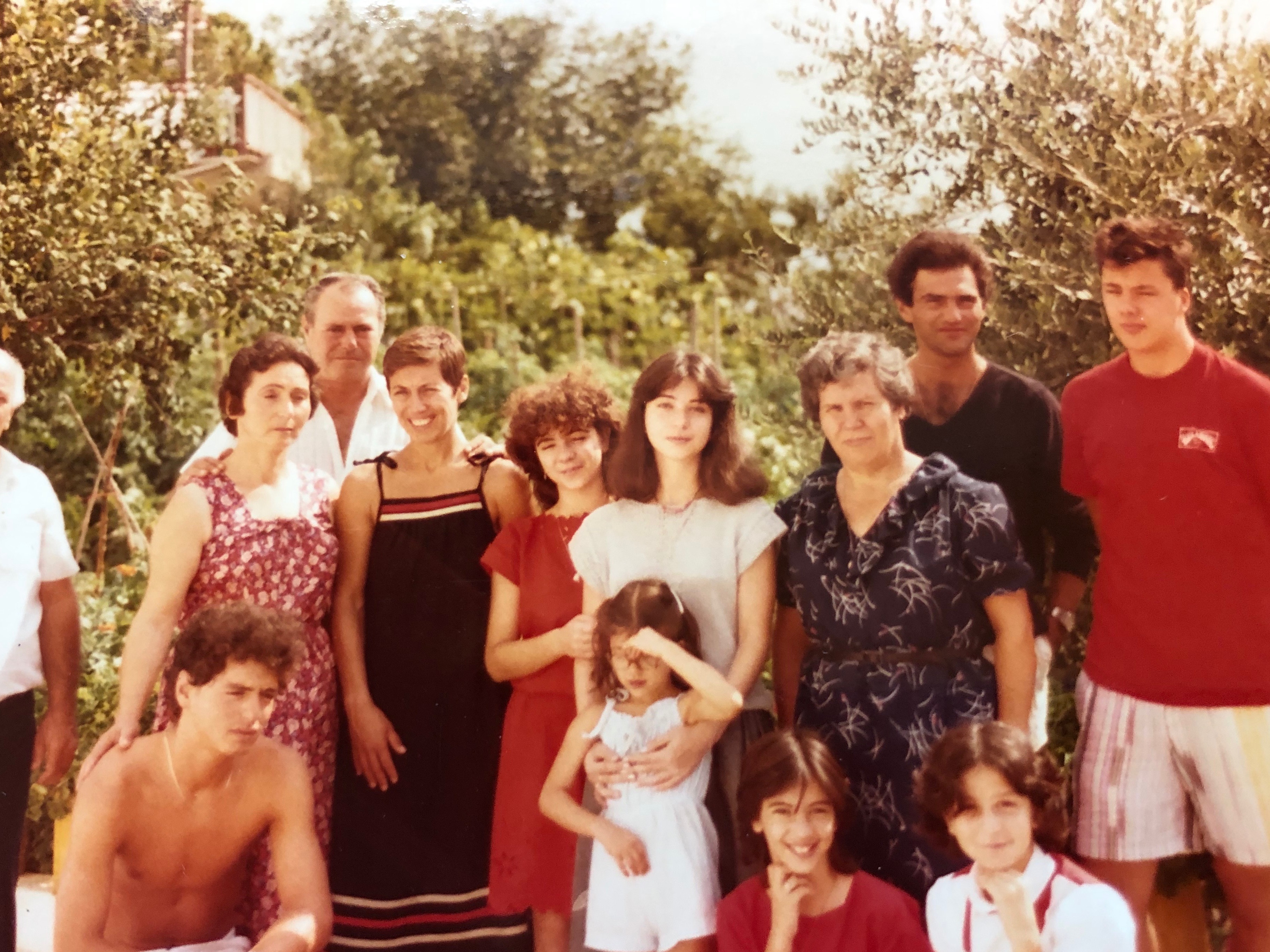
IMG_8137My Greek Family in my grandfather’s village, Kastellia, north of Delphi

Late afternoon Milo time. Is it cocktail hour yet?

This month Milo bravely faced new obstacles. He is blind but could still navigate the house. On occasion he missed the litter box but not by much. He just wasn’t fast enough. Then he developed a neurological disorder which caused his eyeballs to shuttle back and forth. I assured myself that having him close and whispering sweet nothings in his ear would help his brain relax and his eyes would stop their mad movements. He never complains, not like me.

Sigrid Nunez’s novel The Friend sometimes a mediation on writing, on being a writer, and on teaching writing, ends with the last days of her dying dog. He became the true friend, providing an audience for her musings, her novel, giving unconditional love and support. Cats do have conditions yet Milo is accommodating and loving even as he suffers.

images

One social day in the middle of the month, I spoke to friends in Ireland, Oregon, and North Carolina, then, drifted outside to plant 60 pansies as the summer flowers fade. My nemesis, Rudbeckia or Black Eyed Susans, have decided my yard is their yard and screw every other plant. I pull and pull trying to protect my 30 year old Irises and Poppies. Sometimes I delude myself that I’m winning. That night as I lay in bed with the windows open, I heard a fox howling. Eerie.

On the 27th, I had a doctor’s appointment on the Upper East Side.  It’s been 10 months since I drove to Manhattan.  The drive was fraught with fear.  A generalized COVID-19 anxiety?  I had to park in an indoor lot.  Am I safe?  I was back in my car in an hour but saddened not to enjoy New York as I usually do: no walk across town, no visit to the Morgan Library, no late lunch.  But the city didn’t disappoint.  Driving down Third Avenue, the sky a pearly grey, the Chrysler building on my left.  Restored.
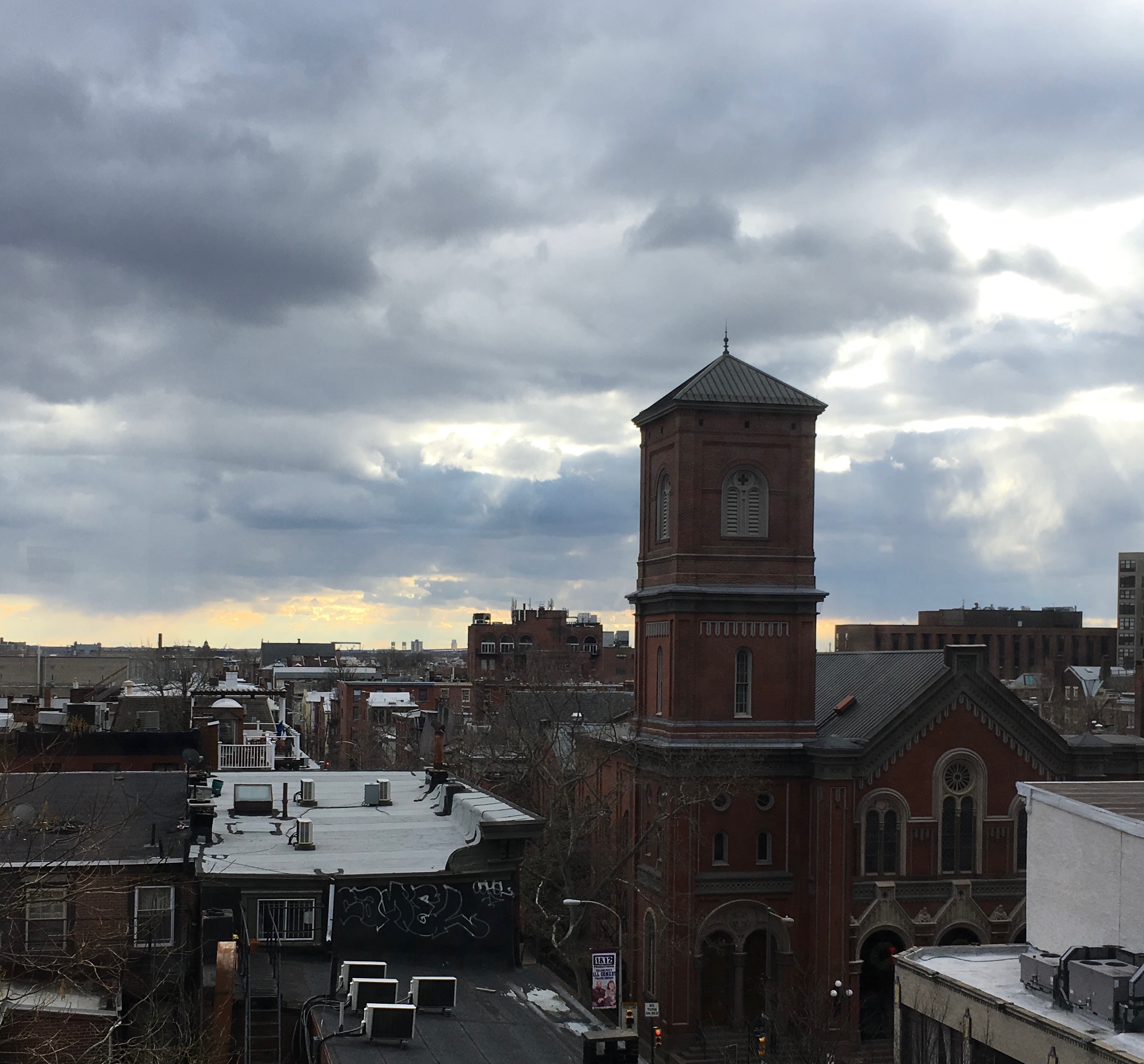
IMG_9598A Pearly Sky on the Upper East Side

IMG_8695The Chrysler Building

That evening, Milo’s head started twitching back-and-forth, back-and-forth. Nothing comforted him. When he walked, his head twisted to one side: still, he’s eating, drinking, and going to the bathroom. The next morning, I found him wandering in circles, his head cocked laterally, unable to eat or drink. He must be frightened, in pain. The vet and I agree this is no way to live. It’s time. We spent the afternoon cuddled together watching the 1945 film, The Enchanted Cottage.

IMG_8241-1Milo’s last day

My first day without Milo, an empty house. I enter a room expecting to see him. A terrible loss at a terrible time.
Return to Paris Day 14

Sunday, April 14

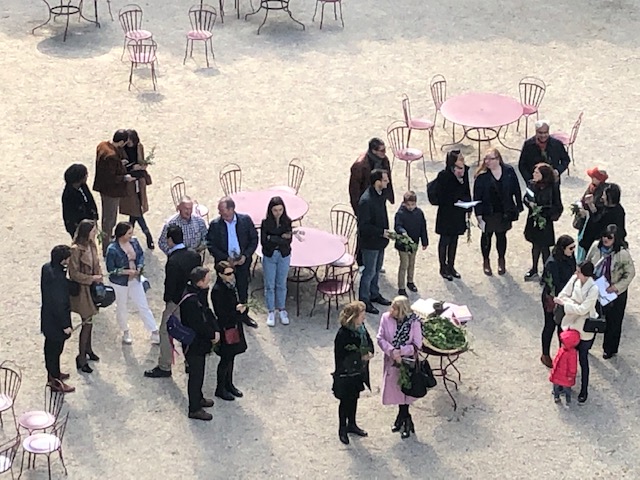
Palm Sunday.  I peeked out my window to see how the day would be celebrated.  The church goers had gathered in the courtyard to receive fresh palms.   As a child, I made crosses from dried palms.

IMG_6075

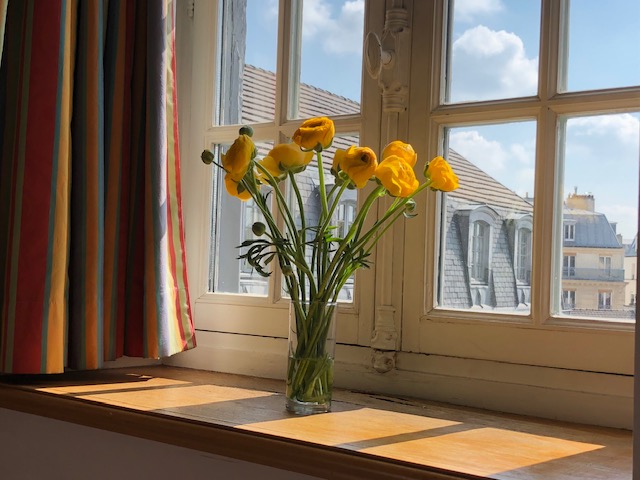
Instead of mass, I went to the market to buy flowers for that very window.

IMG_6078

When I returned, I planned my route to the Musee d’Orsay to see “Le modele noir de Gericault a Matisse” (The Black Model from Gericault to Matisse) which I had first seen at Columbia University.

I liked the route as it took me through my old neighborhood of Odeon.  After crossing Blvd. Saint Germaine to Rue de l’Ancienne Comedie, I turned onto Rue de Buci, a virtually pedestrianized narrow street filled with restaurants, Parisians. and a group of blues buskers.

IMG_6079

I arrived at the museum early enough to avoid long lines. The exhibit had greatly expanded from what I had seen in New York.  At first I’m was in a frenzy: there was so much to see, so many wonders: films of Harlem projected on the walls high enough so everyone can see.

And a film of Katherine Dunham, the choreographer, anthropologist, and metissage (her mother was French Canadian, her father African America) dancing Les Ballets Caribes in Paris.


I tried to photograph much of the text displayed on the wall but had to maneuver around other visitors. At one point I backed into a display and fell on my backside.  It was worth it.  One section entitled “Metissages Litteraires,” Mixed Race in Literature, mentioned Alexandre Dumas.  The author of The Three Musketeers was the grandson of an emancipated slave (Slavery in the French colonies wasn’t abolished until 1832.)   

My grandmother, Germaine de Jorna, nicknamed her sons after the three musketeers.

De Jorna Family

Armand de Jorna married Noeline Noel

Children

Andreid (Yia)  Germaine  James (father of Adria and Everard)

Zinis Family

Germaine de Jorna Married Efstadiou Zinis

Children

Andrew  Germaine  Alma  Louis  Flora  Gabriel  Stella

Louis Zinis married Mary Daly (daughter of Mary McGann)

Children

Judith  Linda  Edward

My father was Porthos, the character who wanted to make a fortune.  Since he worked from an early age in order to have his own spending money, the choice seems apt.  Did she choose this book because she knew of Dumas’ heritage.  Because she knew that another de Jorna had actually been a “mousquetaire?’

dadandmom1930scar

Louis Zinis (Porthos) who liked nice cars

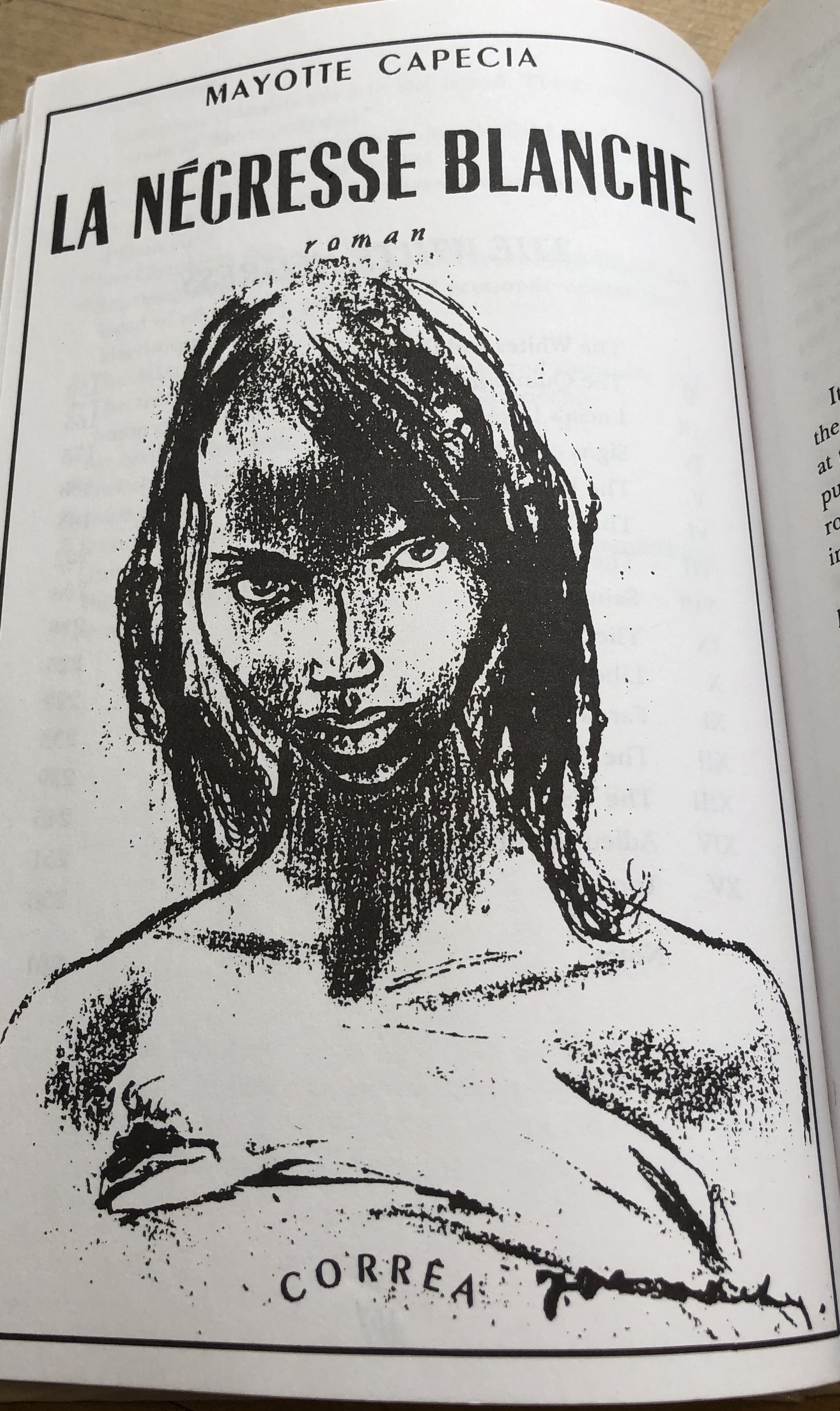
Also discussed was Jeanne Duval born in Haiti around 1827.  She became Baudelaire’s mistress and was an important part of the poems in Les Fleurs du mal.  One edition included Matisse’s drawing, Martiniquaise, A Martinique Woman.  An exciting coincidence, so similar to the title of Mayotte Capecia’s novel, Je Suis Martiniquaise, 

IMG_6102

My de Jorna relative arrived in Martinique in 1690, five years after the enactment of the Code Noir, an edict of Louis XIV that set forth the policy for the slave population and remained in effect until 1789.  In the 1700’s one of the Martinique de Jorna’s angered a King of France: he was demoted from a high level administrative position to head of the militia.  In either case, he had to be involved in controlling slaves and having slaves.  But years later, they mixed, the de Jorna’s and the slaves.  So like Dumas, I am also descended from a slave.  Nevertheless, my military writer friend is somewhat correct in assessing it’s limited effect on me.  My father didn’t wash my skin with lye in order to “whiten” me.  However, my great aunt Yia tried this method on her nieces.

Edouard Glissant, Martinique poet and philosopher,  wrote ”One of the assumptions of French culture is to assimilate people, to have them all become like a transcendent French model.”  The French Antilleans believed they were French and according to Glissant, emulated French values which meant being white forming what he called a “pseudo-elite,” that resulted in a “depersonalization” of their identity.  Consequently. being identified as African or black was an insult.  They, as my grande-tante did, wanted to get as close as possible to white, to French culture.  Every summer she sent her nieces to a relative’s farm on Long Island where they were scrubbed with a diluted lye solution to make sure their one drop wasn’t too evident.

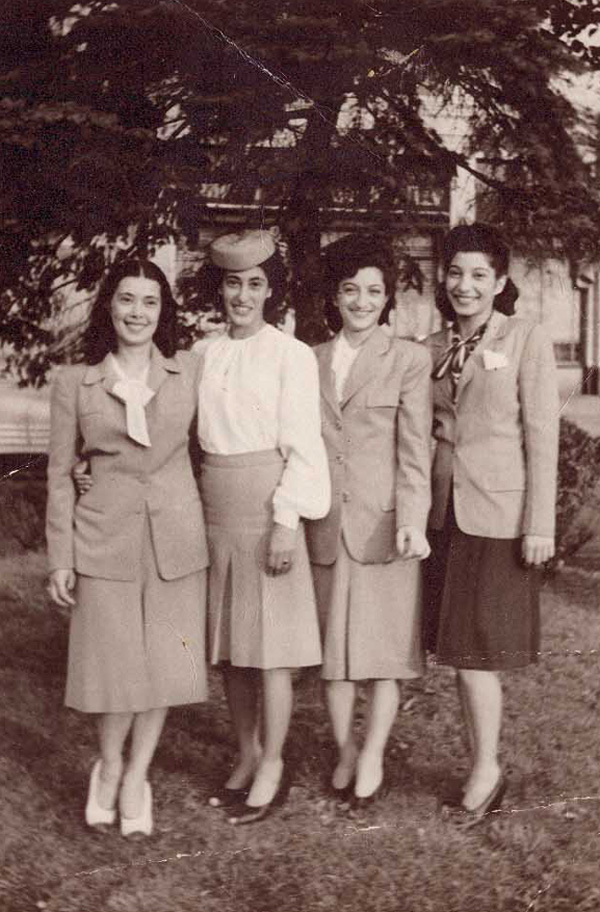
4x6- The Girls

Germaine de Jorna’s daughters once washed with lye

When she brought her brother’s daughter and son from Saint Lucia to live with her, the nephew was banished from her household.  He couldn’t pass.  He was too dark.  He joined the Merchant Marines so the story went.  However, he spent most of his life in Manhattan never to be seen again, at least not by his family or even the sister with whom he had lived.  Her skin tone did pass.  She kept that secret all her life.

By chance, on my way home,  I passed where Richard Wright had once lived.  Fitting.

IMG_6158

Return to Paris Day One

Monday April 1

After spending two weeks in Dublin, feeling at home didn’t happen as easily as last year.  An outsider.  The language deserted me and my fears of offending the French took hold. 

389845D4-B6E4-410D-9B8E-066B99CD4942

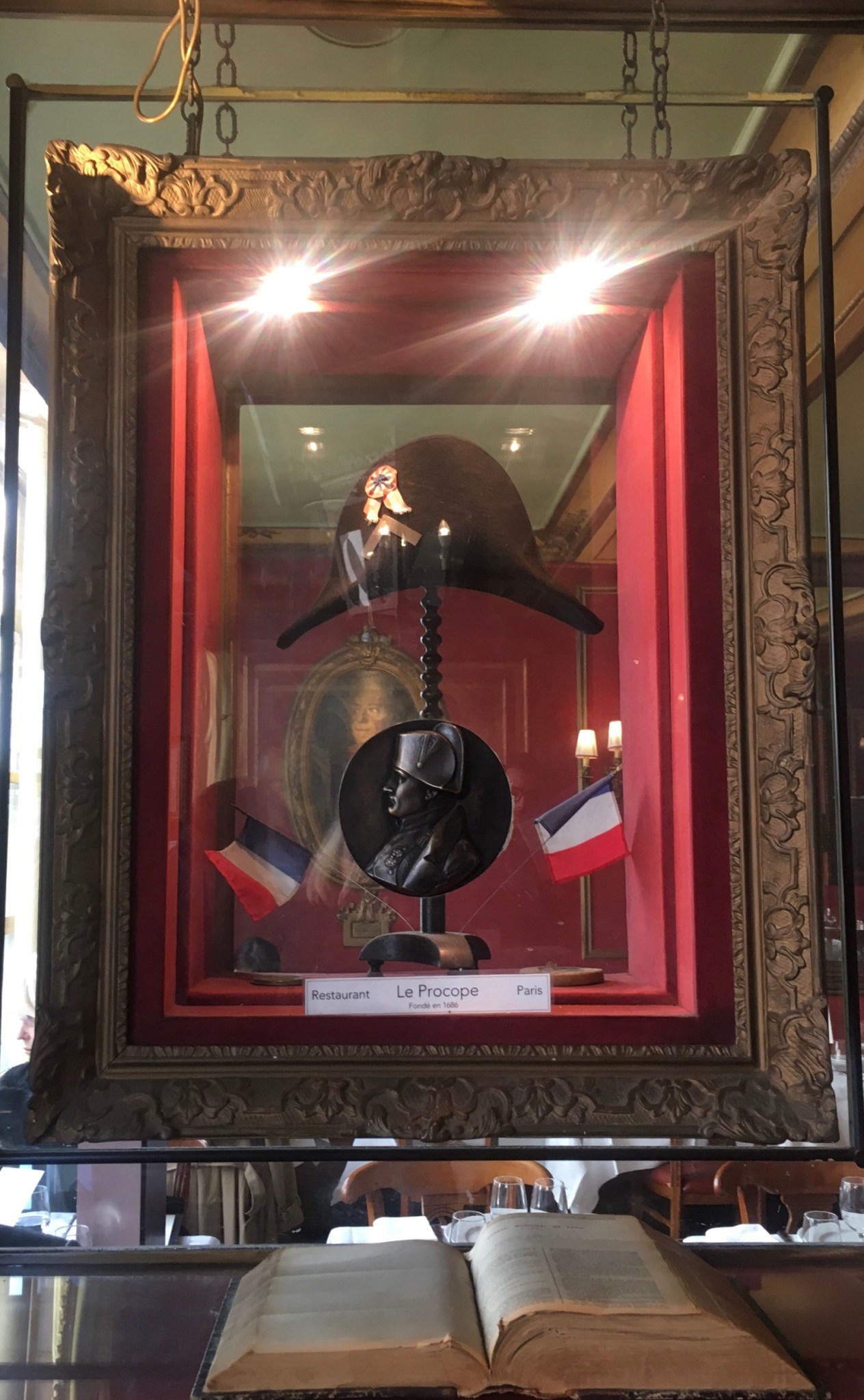
Napoleon’s Hat at Le Procope, Paris

France even Paris was Mecca to my family.  My arriere grand pere was a doctor, kicked out of France or was it Switzerland because he used forceps, perhaps code for abortion.  An earlier relative had an argument with the king of France, not sure which one, about a naval tactic and was demoted from what to what?  Supposedly, we descended from aristocracy as our family name, de Jorna, begins with a small “de” denoting nobility.  

9424F814-18F4-498E-9602-A88921AE97A0

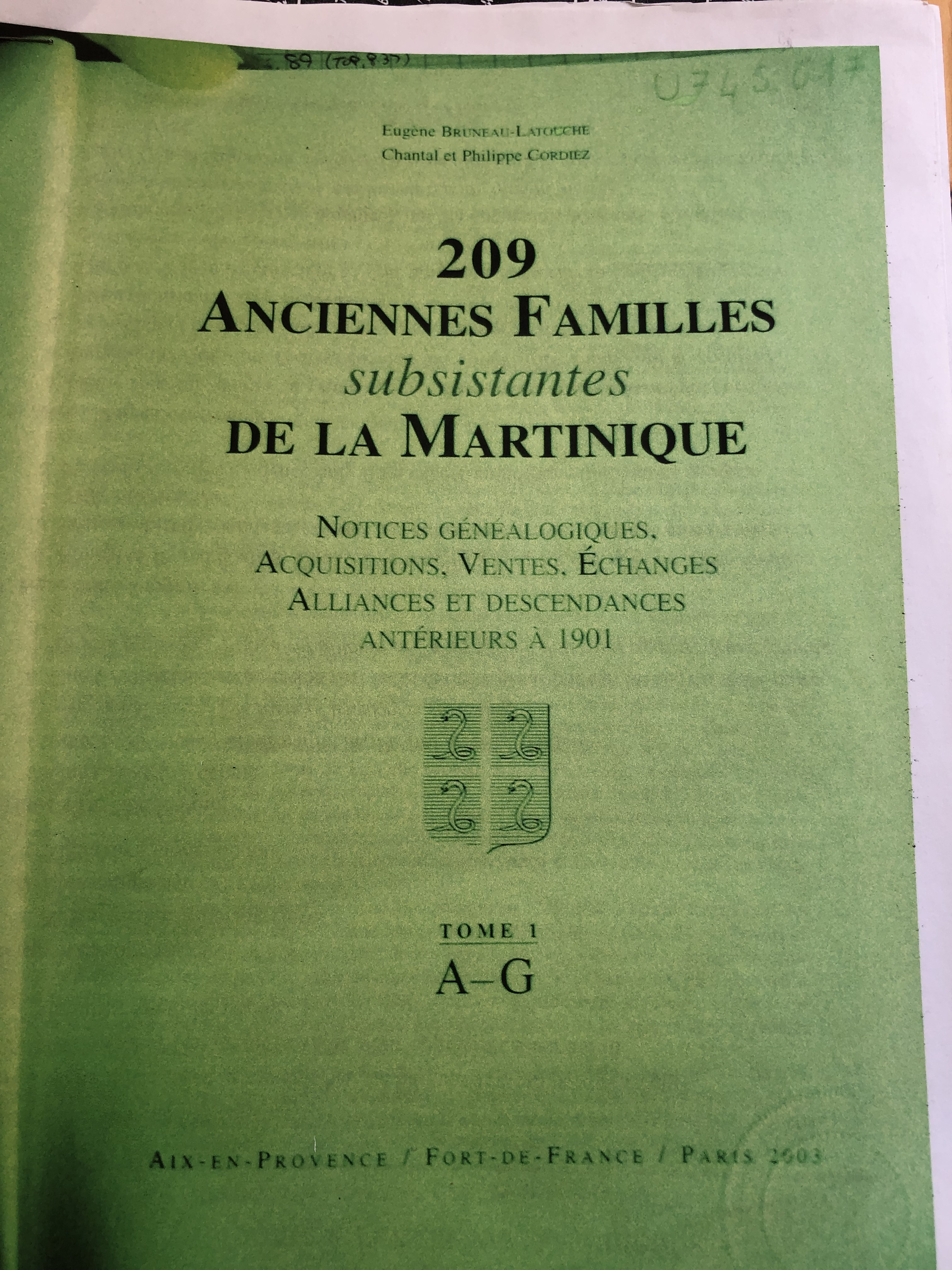
And my grand mere came from France as did my great Aunts and older cousins.   The de Jorna’s did come from France and some did live in Paris, but my branch had lived in the French West Indies for more than 300 years.  Once that truth was uncovered, a second emerged.  My arrriere grandmere’s death certificate listed her as “colored.”  On a ship’s manifest from Barbados to New York, my great aunt was listed as colored.

All their lives in the states and perhaps in France, this branch of the de Jorna’s from the lates 1800’s when Armand de Jorna, my great grandfather,  married  the “colored” Noelline Noel, were passé blanc, passing for white.

60F8C0D0-AD0A-4E58-83A9-4A718AB3BA28

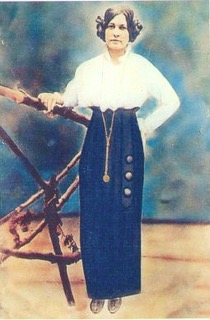
My grandmother, Germaine de Jorna, daughter of Armand de Jorna and Noelline Noel

This time in Paris, I return not as an descendent of an ennobled de Jorna, but as a passé blanc, the daughter of a man who resembled Louie Armstrong and who cautioned me to stay out of the sun lest my skin expose me and him.

Instead of looking for women artists outside the norm, Margureitte Duras, Agnes Varda, or Sophie Calle, I will look for those who pass and don’t pass, those from the colonies, Mayotte Capecia from Martinique who wrote The White Negress, Jean Rhys a beke, that is a white creole, born and bred in the Carribbean, and others who supposedly are French but are they?

13177FAF-5F02-44ED-AA3B-27548194CD80