April 6-8 Monday-Wednesday
I’ve started walking most mornings and noticed that birds and animals seem more present. For the first time in ten years on this particular three mile meander, I saw a chipmunk. And he wasn’t hurrying away. Neither was a robin who moved slightly as I passed by. Have they realized their environment is now safe from the onslaught of the two leggers and four wheelers as we stay in place?

I am spending more time on the phone. I talk frequently and extensively to friends and family. These calls to Oregon or Ireland temporarily ward off loneliness. When I was a teenager, I hated using the phone except for the many hours talking to my boyfriend. My friends would call me almost every night wanting to know what I was wearing to school the next day. Often I didn’t bother answering.
Part of a short story found in my book, Jersey Dreams, describes that earlier time.
“It’s How You Play…”
Not long ago, the Environmental Protection Agency listed my hometown as the site of the third worst toxic dump in the United States. During my thirteenth summer, I was unaware of the hazards of being a teenager in Old Bridge, New Jersey. What I remember is the smell of yeast from the Anheuser-Busch Brewery permeating the air and the color of charcoal on my bathing suit, sooty deposits from the lake a half-mile from my home. My friends and I accepted these conditions as the natural state of affairs, occasionally unpleasant but not dangerous. Now I wonder if some deadly pollution was being expelled by the Morehouse Chemical Factory whose man-made lake was our main source of recreation. My mother, who still lives in the post-war tract home of my childhood, is untroubled by the government’s revelation. She assures me that central New Jersey is- and always has been- a wonderful place to live.
That summer, the weather was perfect: warm enough to go swimming almost every day in the lake and cool enough for a sweater in the evening. Each morning I awoke to hear birds calling to one another and to yellow light warming the knotty pine walls in the upstairs bedroom I shared with my sister. Usually, I spent a half hour after breakfast choosing the clothes I would wear that day. My friends and I all wore pastels that summer: pale orange, tepid yellow, light pink, baby blue. In the evening we used matching headbands to hold back freshly washed hair.
We never wore shoes until after dinner, priding ourselves on our ability to withstand the oozing asphalt roads that ribboned their way through the housing developments. When asked, I never said I lived in Old Bridge, but always replied, “Southwood,” confident that the name of my development would be understood as a separate dominion. Southwood was the largest group of tract homes in the area, and the builders were quickly constructing new models with captivating names such as split-level or California ranch.
The summer before, I had accompanied my mother, with my younger brother and sister in tow, to the lake. This year, I went on my own, picking up friends along the way or joining them on the designated spot to the left of the beach, where anyone from thirteen to sixteen was welcome. We spread our towels or blankets in the direction of the sun, hiding our lunch in the shadow of a beach bag, and waited. We waited for the older kids, mostly boys to show up; we waited for the lake to warm; we waited for mothers and younger children to go home.
My emotions are right at the surface as they were when I was thirteen. I watched the television newscaster, Chris Cuomo, who has the virus but does his job anyway. He made me weep.
April 9-12 Thursday-Sunday
Nature seems to be the theme this week. My vegetable garden which is almost finished lifted my spirits. I felt like my pre-virus self.
A immature Broad-Winged hawk landed on the branch of a favorite tree, a 200 year old ash directly behind the house. Hit by lightening, it shrinks each year. Once it’s mighty branches extended over the terrace providing much needed shade. Now that branch has gone. Each year, an arborist predicts it’s demise: each year it carries on and new leaves emerge.
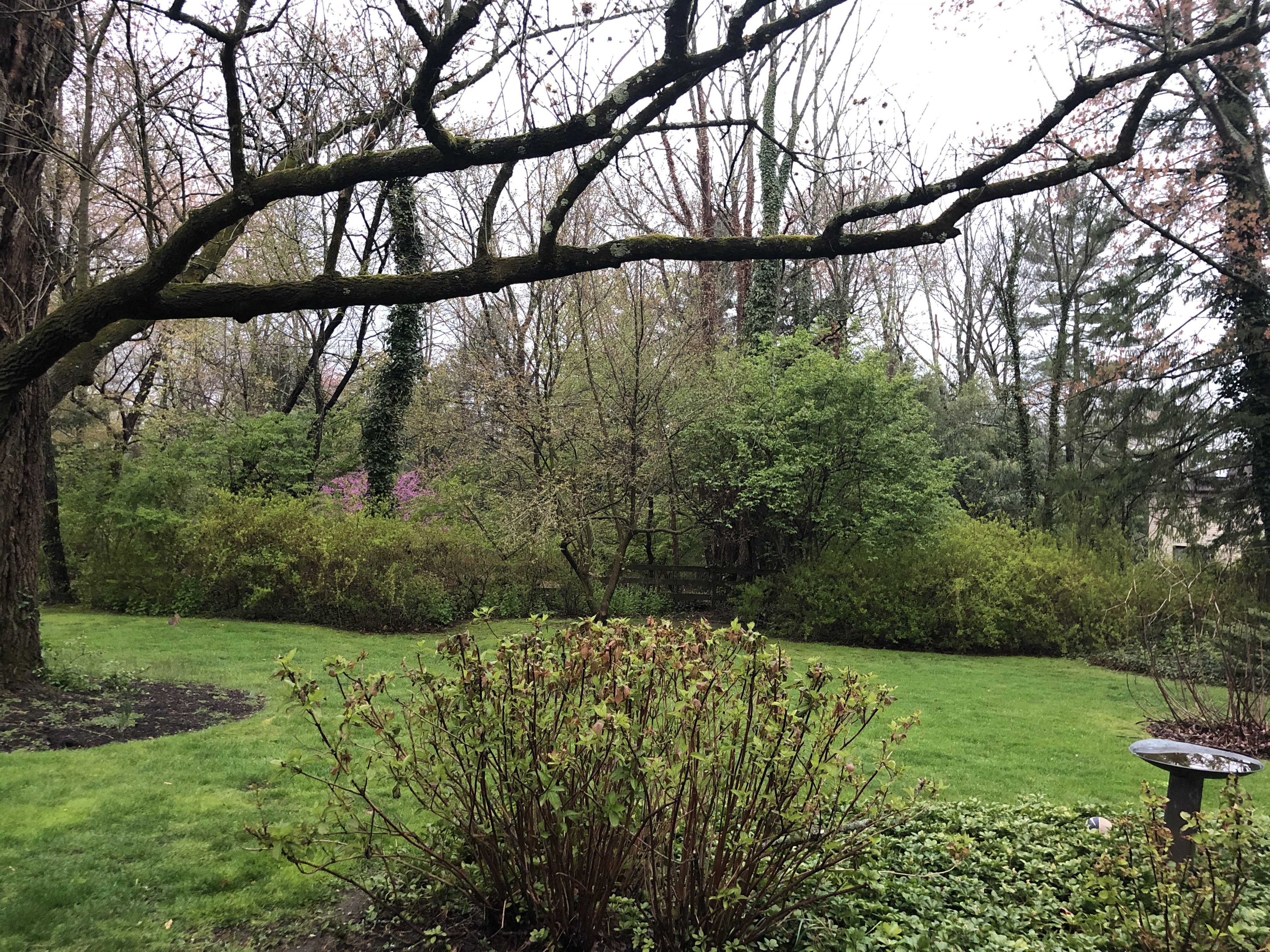
Briefly, the hawk took refuge. Probably looking for the many rabbits that frequent my back yard. The teenagers frolic about chasing each other in mock combat or perhaps just play.
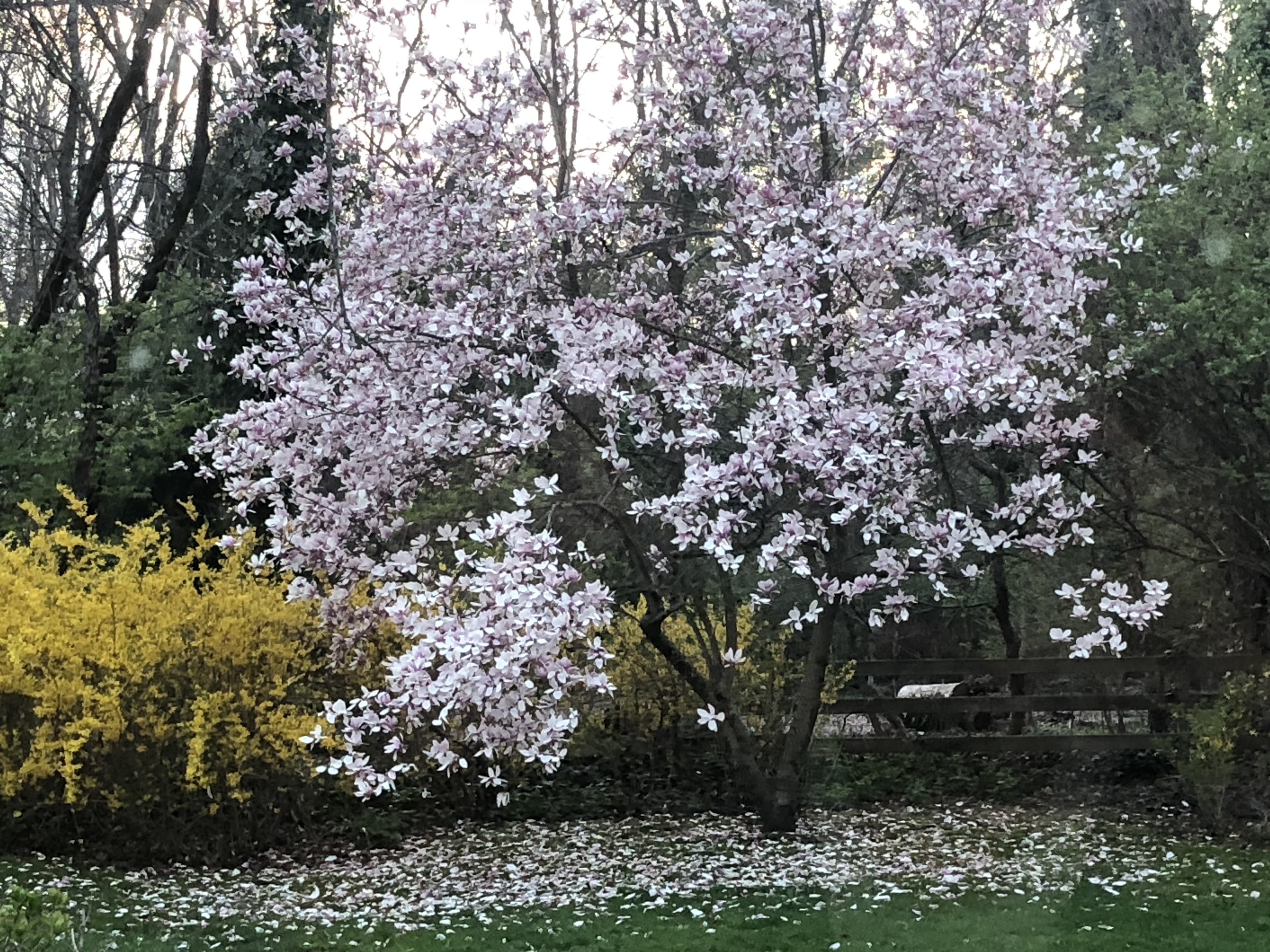
I read the newspapers, watch CNN, MSNBC, listen to NPR and weep again. President Trump’s crassness and unconcern for his citizens’ lives overwhelms me. Now he’s saying that the Governors’ request for hospital equipment is exaggerated. He wants to stop funding the World Health Organization in the middle of a pandemic. I despair. Then I look out my kitchen window and watch the tulip magnolia blanket the lawn with its blossoms. Restored momentarily.
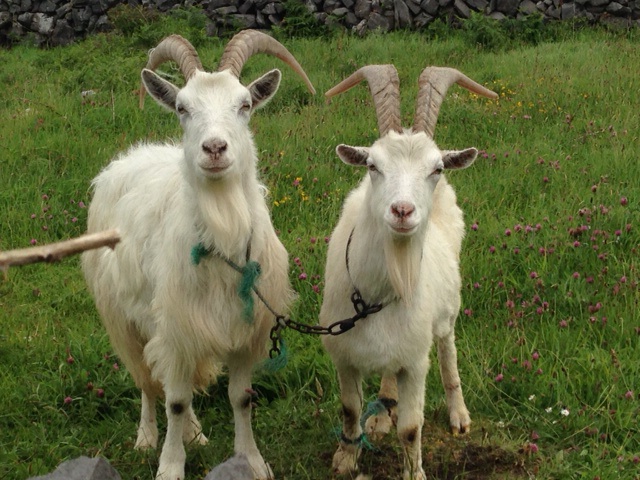
 An Itinerant Woman